Blog ·
Five Essential Tire Maintenance Tips That Extend Tire Life
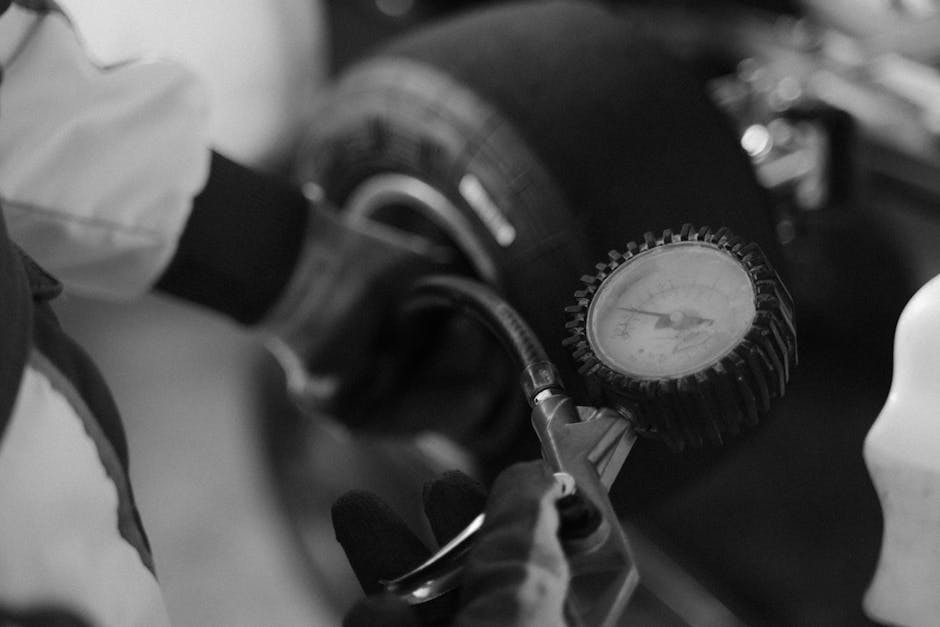
Your tires are among the most critical safety components on your vehicle, yet many drivers neglect basic maintenance that could extend tire life significantly and improve fuel efficiency. Regular tire maintenance doesn't require specialized knowledge—just attention to a few fundamental practices.
Maintain proper tire pressure. Tire pressure directly affects performance, safety, and longevity. Underinflated tires generate excess heat, increase rolling resistance, and wear out faster. Overinflated tires reduce traction and create uneven wear patterns. Check your tire pressure monthly using an accurate gauge, adjusting to the pressure listed on your vehicle's door jamb—not the maximum pressure shown on the tire sidewall. Temperature changes affect pressure, so check pressure during cooler parts of the day for the most accurate reading.
Address alignment and balance issues. These problems cause premature, uneven tire wear. If you notice your vehicle pulling to one side, experiencing vibration at certain speeds, or seeing uneven wear patterns on your tires, have your alignment checked professionally. Proper alignment ensures even weight distribution across the tire surface, maximizing tire life and improving handling safety.
Conduct regular visual inspections. Monthly, examine your tires for unusual wear patterns, cracks, bulges, or foreign objects embedded in the tread. These signs indicate potential problems requiring professional attention. Tread depth significantly affects traction, especially in wet or snowy conditions. Use the penny test—insert a penny into the tread with Lincoln's head upside down—to check depth. If the top of Lincoln's head is visible, tread depth is too low.
Rotate your tires. Rotation extends tire life by promoting even wear. Different wheel positions experience different stress levels and wear rates. Rotating tires periodically redistributes wear, allowing all four tires to reach the end of their usable life simultaneously rather than replacing tires at different times. Most manufacturers recommend rotation every 5,000 to 7,000 miles.
Practice smooth, controlled driving. Avoid aggressive driving habits that stress tires unnecessarily. Hard acceleration, rapid braking, and sharp turns at high speeds generate excess heat and accelerate wear. Smooth, controlled driving reduces heat generation and extends tire longevity. Heavy loads also increase stress; avoid consistently overloading your vehicle beyond its rated capacity.
Protect tires during storage. Storage conditions matter during off-season periods. Tires exposed to extreme temperatures, direct sunlight, and high humidity degrade faster than tires stored in controlled environments. Whether storing tires short-term or long-term, protect them from environmental damage.
Understanding these fundamentals transforms tire maintenance from a chore into an investment strategy. Consistent attention to pressure, alignment, inspection, and rotation keeps your tires performing safely while maximizing the value you receive from your tire purchase.