Blog ·
How Vehicle Weight Distribution Affects Your Tire Wear
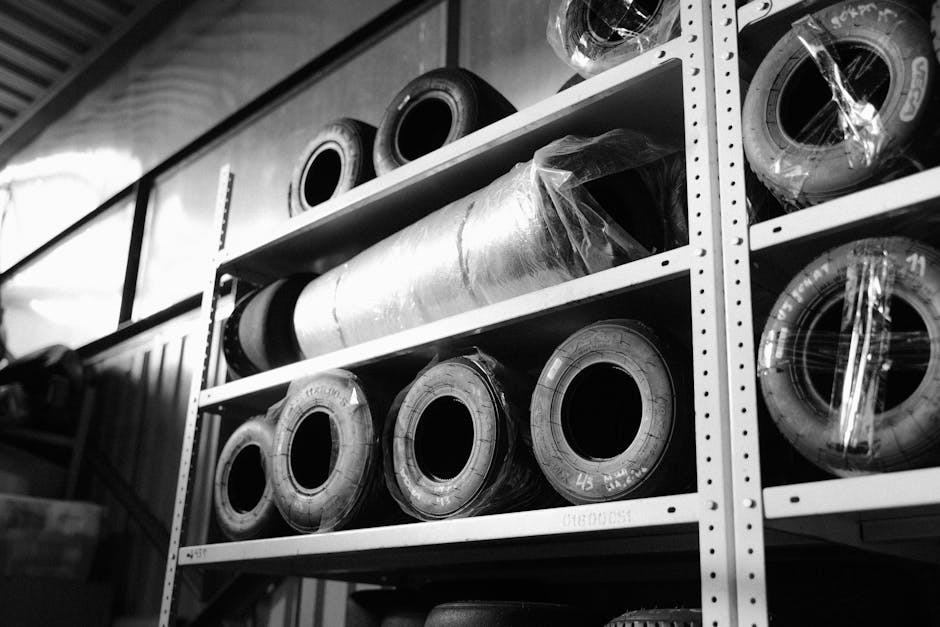
When you load your vehicle with cargo, passengers, or equipment, you're not just adding weight—you're changing how that weight is distributed across your tires. This distribution directly impacts how your tires wear, and understanding this relationship can help you get more life out of your tires and maintain better vehicle safety.
Understanding Weight Distribution and Tire Pressure
Your vehicle's tires are designed to carry a specific load capacity. When weight is distributed unevenly—whether from cargo placement, worn suspension, or unbalanced wheel alignment—certain tires bear more of the burden than others. Front tires typically carry more weight than rear tires because that's where your engine sits. If you add heavy cargo unevenly, you accelerate this imbalance. Tires bearing excessive weight press harder against the road surface, causing friction and heat buildup that accelerates wear.
Common Wear Patterns from Poor Weight Distribution
Uneven weight distribution creates telltale wear patterns:
- Outer edges wearing faster than the center (often from overloaded sides)
- Center of the tire wearing excessively (often from overinflation due to excess weight)
- One side of your vehicle wearing noticeably faster than the other
If you notice these patterns, it's time to address the underlying issue. Our wheel alignment and rotation services can identify weight-related wear problems and help correct them before they become dangerous.
How We Help Protect Your Tires
Regular wheel alignment and rotation services are essential when you're carrying variable loads or notice uneven wear. Rotation ensures that weight-stressed tires get relief by moving to different wheel positions. Alignment corrects suspension and steering geometry issues that cause uneven weight distribution across your tire surface.
If you're preparing for seasonal changes—particularly switching from summer to winter tires or vice versa—proper installation and alignment before seasonal storage can extend the life of both sets of tires. When you store seasonal tires with us, our secure facility protects them during months when they're not in use. When you return them to your vehicle, we ensure proper installation and balance, accounting for any seasonal weight distribution changes you might experience.
Taking Action
Monitor your loading habits and tire condition regularly. Avoid overloading one side of your vehicle, and distribute cargo weight as evenly as possible. Schedule regular wheel alignments and rotations—especially if you frequently carry heavy loads or notice uneven wear. These preventive steps, combined with our professional installation and storage services, keep your tires wearing evenly and lasting longer.